If I can address it briefly, I would say architecture is definitely the fantasy of an architect but it is not just fantasy.
Looking back into past architectural styles, it might seem like the fantasy of a designer for the way it looks, its scale, proportion, ornamentation and so on, but just because functionality was not the top priority, I don’t think it would be wise to call it just fantasy. Moreover, architecture has evolved through ages and the evolution definitely holds good for mankind and the built environment,which might not have been possible alone with fantasy.
Before modernism, architecture was heavily influenced by historical styles, culture and symbolic meanings. The fantasy was deeply rooted in cultural context and practical consideration relevant to the periods in which the built mass were constructed, yet architects and designers had huge power for the way the buildings looked. Similarly, the mythical reasons, grandeur and power being fantasy of someone trying to be fitted on a built mass cannot be ignored either.
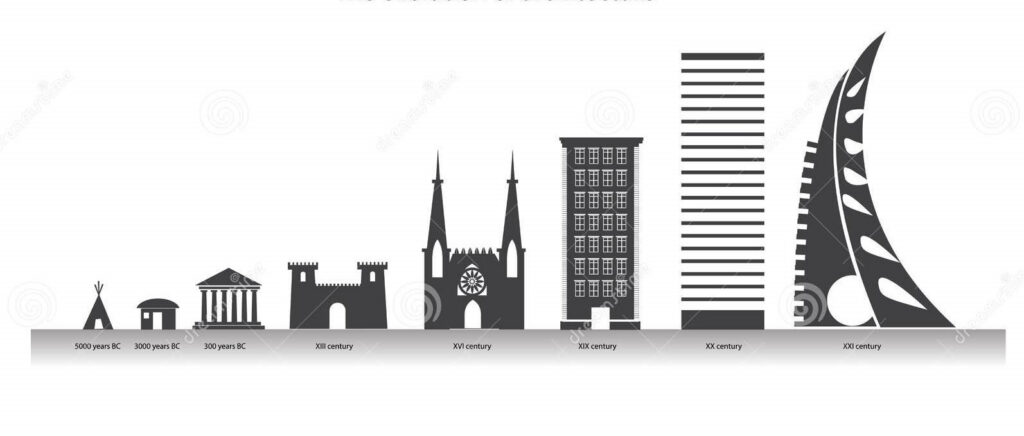
The evolution of architecture reflects humanity’s journey through time, culture and technology. Moreover, the evolution has also been an experiment to materials, style, engineering and construction technology, but architecture has always been spatial storytelling to mediate human knowledge of the world.
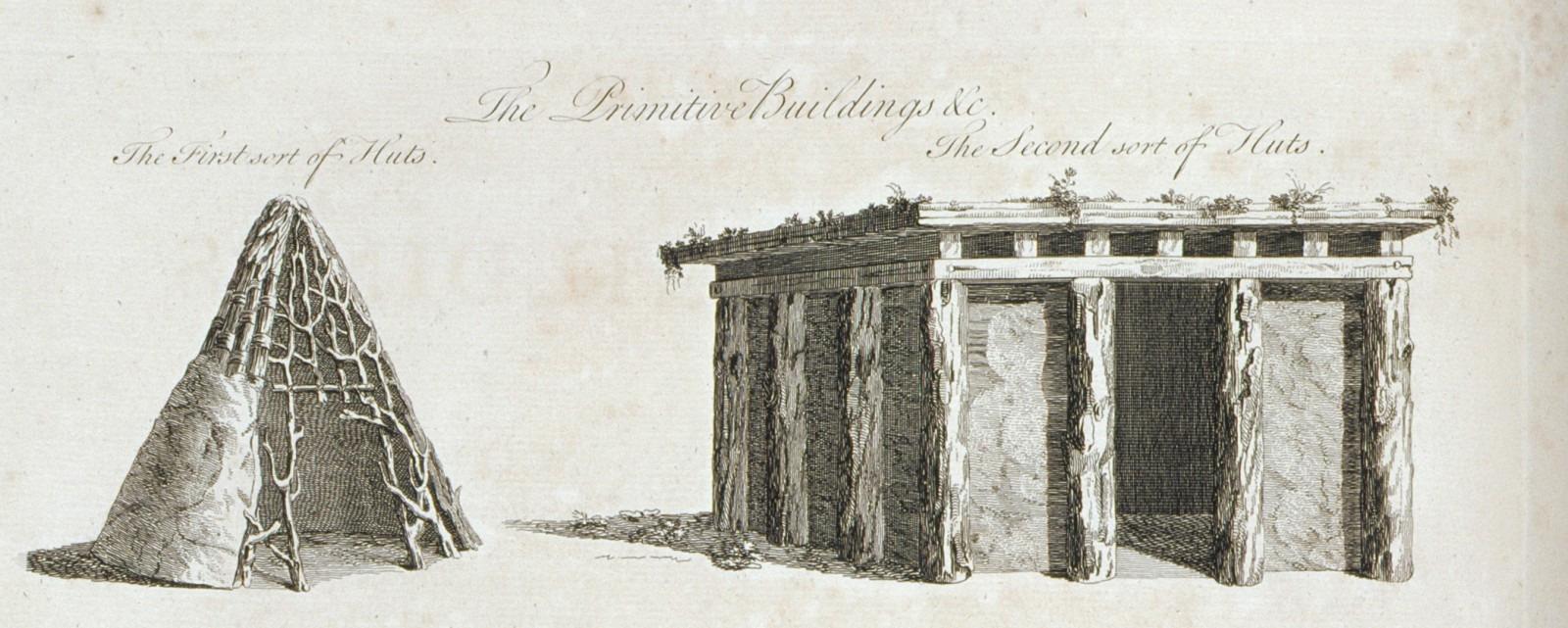
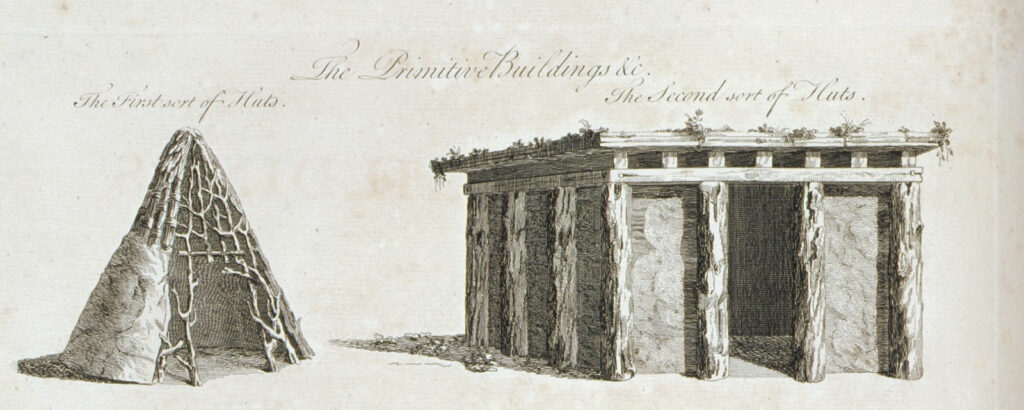
Tracing back to the prehistoric period, where architecture began from cave dwellings, hut, neolithic mud built homes and so on, where basic human needs were the guiding factor of architecture. Similarly the civilization advancement, innovation of various tools and material, religious belief, lead architecture to be manifestation of socio- cultural factors.
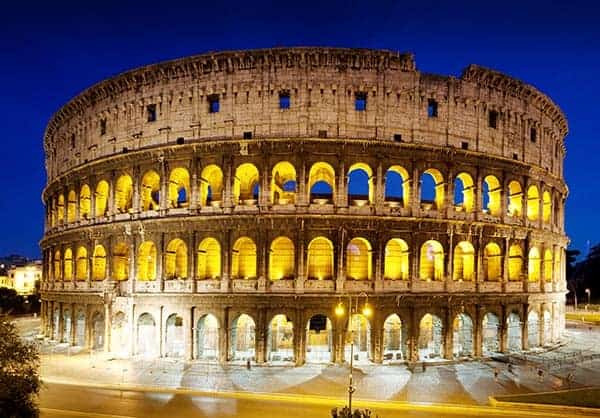
We have the Egyptian pyramid whose construction remains shrouded in mystery. Likewise, the Roman architecture stands as an architect’s fantasy brought to life with its soaring columns, intricate frescoes, higher vaulted ceilings, massive proportions, ornamentation, spires, dome and so on. It captures that the respective architecture style isn’t just physical structures with engineering and technological achievements but also realization of architects’ dreams and aspirations.
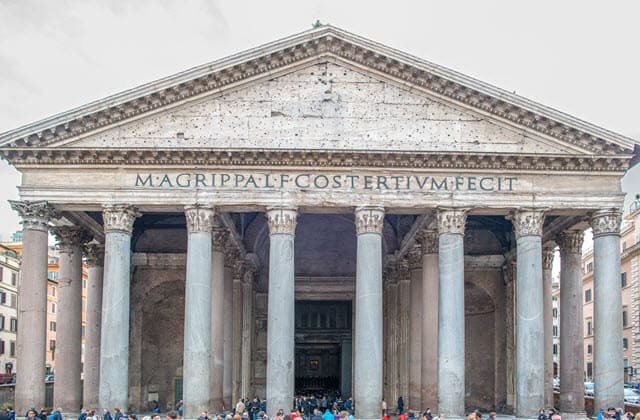
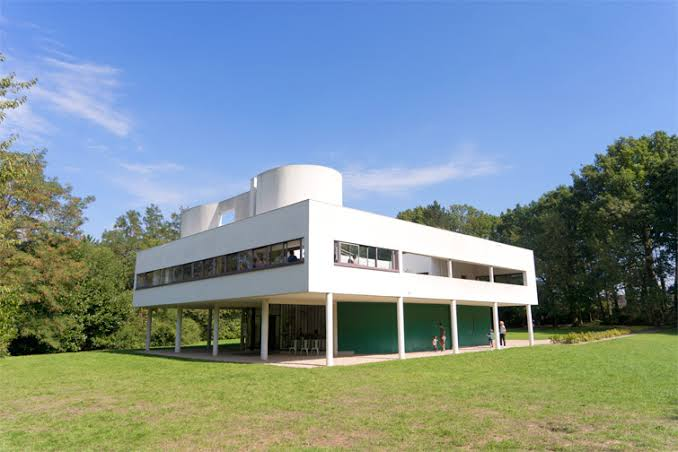
Similarly, the industrial revolution led to modernism, where architecture revolved around functionality, but one of the results of the industrial revolution was also romanticism where people romanticized past architectural style where nature was more prioritized. Hence, architecture hasn’t always been about aesthetics which is linked to architect fantasy but its has also been revolving around various other aspects like nature, functionality, socio-cultural aspects, economy, technology and so on.
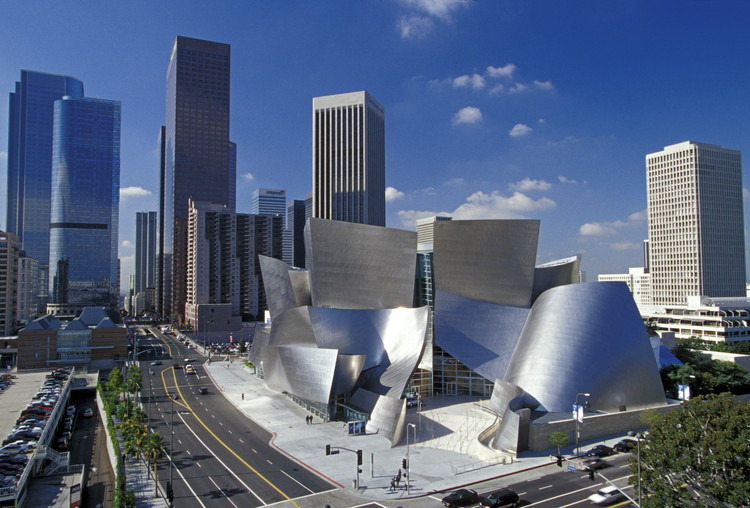
Looking at the evolution and the present, architecture is so much more than just aesthetic. Aesthetics might be one of the important aspects of architecture, but there are several other critical factors to make a building stand and function effectively. For instance, the Walt Disney concert hall designed by Frank Gehry, which has captured the eyes and ears of the world from the moment it is opened.
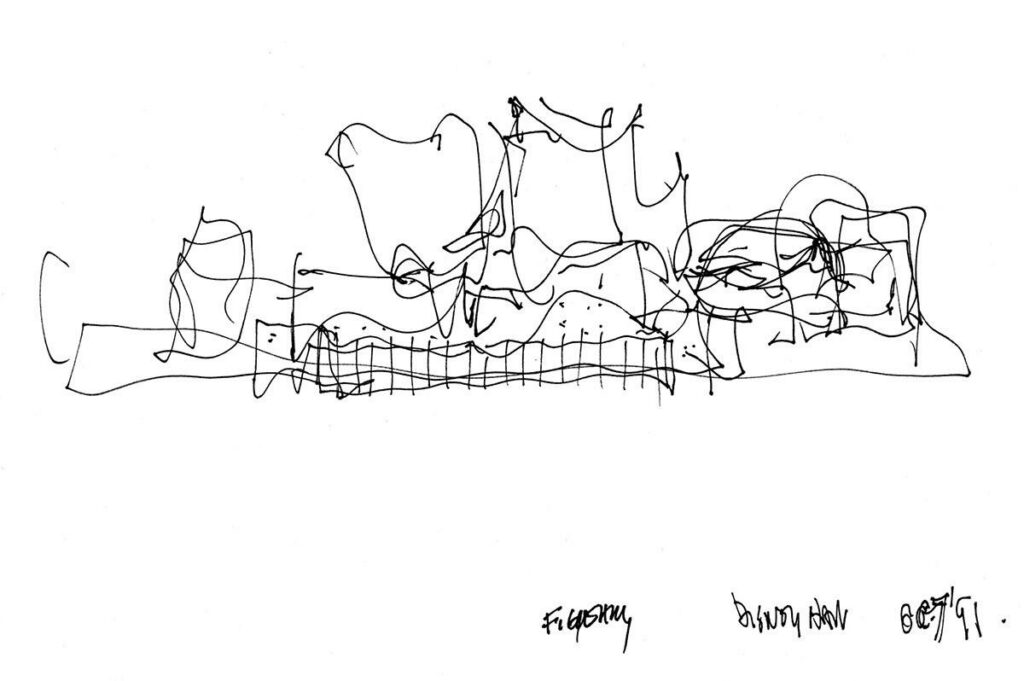
Its design process involves creating intricate and abstract paper models to explore, refine and visualize the dynamic, complex and curvilinear form that characterized the building.
Why would anyone want the building to look that very complex? Well definitely an architect and his creativity to provide the world with fantastic built forms. Also, how can we not talk about the complexities in functions brought by irregular forms.The exterior is a composition of undulating and angled forms, symbolizing musical movement. The concert hall was designed as a single volume, with orchestra and audience occupying the same space. Curvilinear planes of Douglas fir provide the only partitions, delineating portions of the 2,265 member audience without creating visual obstructions. The steel roof structure spans the entire space, eliminating the need for interior columns. The concert hall’s partitions and curved, billowing ceiling act as part of the acoustical system while subtly referencing the sculptural language of the exterior.
Hence, an architect requires consideration of various intricate details to make the building function along with its aesthetics and yes the fantasy is surely brought in limit by functional consideration to make it practical.
Personally I believe contemporary architecture is guided mostly by functionality. It is directed more towards energy efficiency, green building sustainability and cost effectiveness, while architects equally focus on its aesthetics. For instance, the rammed earth buildings are slowly taking its place in the market of Nepal.
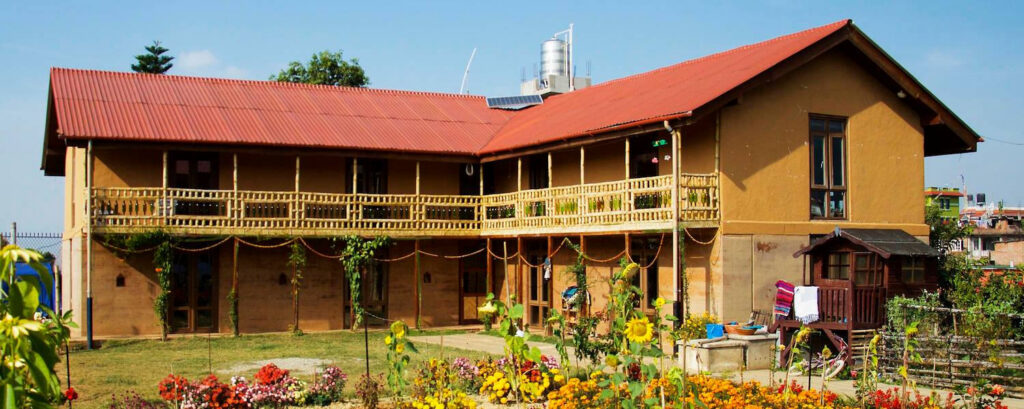
In a nutshell, throughout the evolution, architecture was guided by various factors such as socio-cultural aspect, human knowledge of the world, economy, materials, technology, nature and so on, where form and function has been balanced in some way or another. Hence, as an architecture student myself, I believe it is right of every architect and student to fantasize their work and transform their imaginative ideas into practical solutions.
And yes the evolution is all about demand of society, and architecture fulfilling the demand in their own way of creativity.


Comments
We welcome your comments and encourage thoughtful discussion. Please keep your comments respectful and on-topic. Personal attacks, spam, and promotional content will be removed.